Securing Your Property: Your Detailed Guide to Finding the Right Locksmith
Choosing the right locksmith is crucial for guaranteeing the protection of any property. Many people fail to recognize the importance of this decision. A reliable locksmith not only delivers essential services but also instills confidence in the security measures in place. Understanding what to look for can stop costly mistakes. As the discussion develops, essential insights into recognizing trustworthy locksmiths will emerge, leading property owners toward better security solutions.
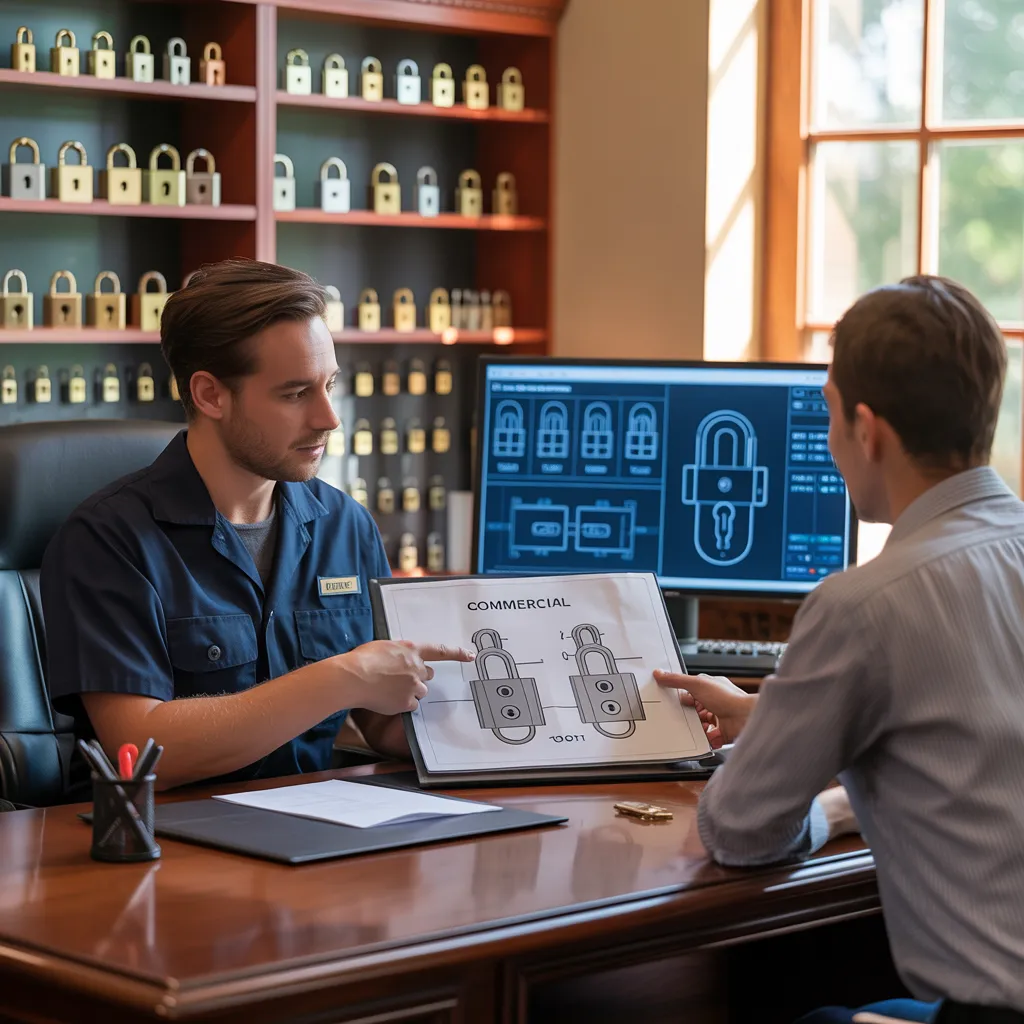
Comprehending Locksmith Services: What They Provide
Even though many people connect locksmiths predominantly with lockouts, their services stretch considerably past this typical scenario. Locksmiths are qualified professionals who offer a wide array of security solutions. Among their main services is the fitting and repair of locks for properties, businesses, and vehicles. They can also support rekeying existing locks, which strengthens security without the requirement for complete lock replacement.
Furthermore, locksmiths provide expertise in the installation of advanced security solutions, including electronic locks and access control systems. They are ready to handle safe installations and repairs, ensuring precious belongings remain secure. Many locksmiths also deliver emergency services, addressing urgent situations like damaged keys or malfunctioning locks. Their knowledge encompasses various security technologies, allowing them to recommend customized options to meet specific needs. Finally, locksmiths are essential in enhancing protection and safety, making their services indispensable to homeowners and commercial entities alike.
Traits of a Professional Locksmith
When seeking a reputable locksmith, it is essential to assess several key characteristics that distinguish reputable professionals from the rest. First, a reputable locksmith should hold proper licensing and insurance, guaranteeing compliance with local regulations and protection for both the client and the professional. Experience is another vital factor; veteran locksmiths are more likely to manage a variety of situations successfully.
In addition, a devotion to customer service is vital. A reliable locksmith should be easy to reach, willing to answer questions, and provide honest pricing. Timeliness is equally important, as emergencies often require swift assistance.
Moreover, a robust reputation, shown by positive reviews and testimonials, demonstrates credibility. In conclusion, ongoing training in the latest security technologies reveals a locksmith's commitment to their craft. By examining these qualities, individuals can make knowledgeable choices when choosing a locksmith, ensuring their security needs are met with expertise and expertise.
Critical Questions When Choosing a Locksmith
How can one assure they are hiring a qualified locksmith? Prior to making a choice, prospective clients should ask several important questions. To begin with, question regarding the locksmith's license and insurance information. A trustworthy locksmith should easily provide evidence of both. Subsequently, it is essential to ask about the exact services they offer, confirming they can handle the necessary work, such as emergency lockouts or rekeying. Clients should further inquire about information about the estimated time for service and associated costs, including any supplementary costs. Moreover, it is advisable to seek references or reviews from past customers, which can provide insights into the locksmith's professionalism and service quality. Finally, understanding the service warranties or guarantees on services rendered can help secure peace of mind. By addressing these questions, individuals can substantially reduce the risk of hiring an unsuitable locksmith.

Evaluating Locksmithing Professional Professional Background and Credentials
When choosing a locksmith, it's vital to review their qualifications and expertise. This involves verifying licenses and certifications, which guarantee conformity to industry standards. Furthermore, assessing their professional experience and any specialized expertise or training can substantially determine the service quality provided.
Licensing and Certification Requirements
Even though the qualifications of a locksmith can vary significantly by region, it is critical for consumers to comprehensively review licensing and certification requirements. Licensing typically confirms that a locksmith has met particular local or state regulations, which may include background checks and completion of training programs. Various areas require locksmiths to hold a valid license, while others may not have stringent regulations, leaving consumers vulnerable. Certifications from reputable read more organizations, such as the Associated Locksmiths of America (ALOA), further verify a locksmith's expertise and commitment to professional standards. Consumers should ask about these credentials before hiring a locksmith to confirm they are selecting a qualified professional who follows industry best practices, enhancing overall security and trustworthiness.
Industry Background Is Essential
Assessing a locksmith's credentials and experience is essential in ensuring quality service. A locksmith's industry experience often reflects their capacity to handle various security challenges efficiently. A seasoned locksmith is likely to have encountered a range of scenarios, therefore sharpening their problem-solving skills. When evaluating potential candidates, clients should consider the number of years a locksmith has worked in the field, as well as their track record of successful jobs. Reviews and testimonials can provide understanding into a locksmith's reliability and professionalism. Additionally, involvement in professional organizations or ongoing education can signify a commitment to staying updated with industry standards. Ultimately, a locksmith's experience can directly affect the safety and security of a client's property.
Specialized Skills and Training
Although experience holds an vital role, expert skills and training are just as crucial when evaluating a locksmith's qualifications. A competent locksmith should possess certifications from established institutions, proving their knowledge of up-to-date security technologies and techniques. Training programs frequently cover various aspects, including lock installation, repair, and advanced security systems. Furthermore, some locksmiths focus in fields such as automotive locks, safe cracking, or electronic access control, providing a more thorough understanding of specialized security needs. It is wise to ask about a locksmith's continuing education efforts, as the industry is continuously evolving. Validation of credentials through professional associations can moreover assure clients of a locksmith's expertise and commitment to maintaining high standards in their practice.
Common Mistakes to Prevent When Choosing a Locksmith
When selecting a locksmith, individuals can easily experience multiple common mistakes that could jeopardize their security and monetary welfare. One common mistake is failing to verify the locksmith's credentials, such as licensing and insurance coverage. Hiring an unlicensed locksmith can produce poor-quality work and liability concerns. Additionally, selecting a locksmith only on the lowest price can end up hiring unqualified technicians who may not provide quality service.
A frequent mistake is failing to review customer feedback or ask for referrals. In the absence of thorough research, individuals could unknowingly employ a locksmith with a negative standing. What's more, countless individuals neglect the necessity of securing a written quotation; a verbal quote can lead to unexpected costs after the job is completed. Ultimately, individuals must avoid deferring locksmith research until a lockout emergency happens, as this urgency can lead to hasty, ill-informed decisions. Recognition of these errors can contribute to a more protected and fulfilling locksmith interaction.
Maintenance Tips for Your Security Systems
Keeping up with security systems is essential for ensuring continued safety and protection. Regular lock examinations, updating security codes, and replacing deteriorated components are key practices that can improve overall security. By following these guidelines, individuals can better safeguard their properties against potential hazards.
Routine Lock Inspections
Scheduled lock examinations are crucial for guaranteeing the security of any property, as they aid in detect potential vulnerabilities before they turn into serious issues. Property owners should schedule these inspections at least annually or after any security incident. A professional locksmith can assess the condition of locks, looking for signs of wear, damage, or malfunction. During the assessment, they can also verify for proper alignment and functionality, guaranteeing that locks engage smoothly. Furthermore, property owners should make sure to lubricate locks regularly and test their keys for smooth operation. By adopting a proactive approach to lock examinations, individuals can enhance their security measures and reduce the risk of unauthorized access, ultimately safeguarding their assets and peace of mind.
Change Security Credentials
Modifying security codes is vital for safeguarding any security system, especially after shifts in personnel or following a security breach. Consistently modifying access codes helps reduce risks associated with unauthorized entry. For businesses, it's critical to establish a consistent schedule for updating these codes—ideally every few months. This practice guarantees that only current employees have access to secure areas.
Furthermore, all stakeholders should be trained on the value of code security, preventing the sharing of codes among unauthorized personnel. Using intricate codes that combine letters, numbers, and special characters can enhance security to a greater extent. Recording code changes and maintaining a secure log of who has access to what can help in managing security effectively.
Swap Out Damaged Components
Replacing worn components is vital for guaranteeing the sustained efficiency of security systems. Over time, elements such as locks, hinges, and deadbolts may deteriorate, undermining security. Regular inspections can help detect these problems before they escalate. For instance, a locksmith can examine the condition of locks and recommend replacements if needed. Moreover, maintaining other components like window latches or door frames confirms that the system functions seamlessly. Homeowners should also consider switching to more durable materials if frequent replacements are needed. By addressing worn components immediately, individuals can improve the longevity and reliability of their security measures, ultimately securing their properties against potential breaches. Regular maintenance is essential to a robust security framework.
Popular Questions
How Much Will Locksmith Services Cost Me?
Usually, locksmith services can fluctuate from $50 to $150 for standard jobs, such as lockouts or rekeying. However, prices may rise for emergency services, complex work, or specialized tools. Always request estimates ahead of time.
Are Locksmiths Able to Assist With Electronic Security Systems?
Yes, a locksmith can assist with electronic security systems. They hold the necessary expertise to install, service, and repair different types of electronic locking mechanisms, ensuring optimal performance and strengthened security for homes and businesses equally.
What Should I Do When Locked Out of My Home?
If you find yourself locked out of your house, you should first look for open windows or hidden spare keys. If this doesn't work, getting in touch with a reliable locksmith for assistance is the best course of action, ensuring they are certified and reliable before moving forward.
Is Round-the-Clock Locksmith Service Available?
Several locksmith services deliver 24/7 availability to assist individuals during emergencies. This ensures that support is accessible at any hour, delivering peace of mind for those who may find themselves locked out unexpectedly.
How Can I Verify a Locksmith's Reputation Online?
To check a locksmith's reputation online, one can examine customer reviews on platforms like Google and Yelp, examine the ratings, and investigate any complaints on the Better Business Bureau website to assess their credibility.